DECEMBER 2025 THEME: TRADITION & INNOVATION
Despite the ups and downs of the world around us, this year has been a true celebration for Spannocchia. In marking an incredible 800 years of history, we’ve honored the deep traditions that define us, while embracing the ideas, community, and energy that shape Spannocchia today.
To close out the year, we’re highlighting this idea of Tradition and Innovation: potentially opposing concepts that—at Spannocchia—are quite intertwined. Spannocchia is rooted in tradition, respecting the land, and all the history and culture that the property and region bestows. The cultural and agricultural traditions provide a framework and meaning for everything we do, every day. Innovation builds on these traditions, and keeps us growing, improving, and moving forward. It brings creativity, adaptability, modern resources, and new knowledge to the specific challenges and opportunities that we face now, and as we prepare for the future.
The regenerative agriculture practiced at Spannocchia, taught to our interns, and modeled to our program participants and guests is a true example of how tradition and innovation thrive together. Next spring, we are planting 100 trees in the large Capannone garden, along with shrubs and annuals. The mix of crops and trees will improve soil health and fertility, create diverse animal habitats, reduce pests, and ultimately produce more nutritious food. This agroforestry approach harkens back to systems and landscapes that were utilized throughout Italy centuries ago, now supported by scientific research as an effective strategy for a resilient and healthy ecosystem. Just like soil and saplings in our garden, tradition grounds us and innovation allows us to grow and flourish.
Yago, our vegetable farmer, explains: "The goal is to create productive ecosystems that can support significant diversity of life forms and relationships between them, in the face of the absurd predominance of agricultural deserts and monocultures. Only complex systems can survive on their own, without the contribution of large amounts of external energy. Therefore, once again, we choose the path of soil regeneration, ecosystems, knowledge, and biodiversity."
This may be the final in our series of monthly themes for the year, but that just means we're now focused on looking ahead and thinking about what comes next. And when guided by the interplay of tradition and innovation, the answer is clear—and right in line with what we’ve always strived to do—we will honor our past, the history and the culture, and we will allow it to inspire and guide innovative work now and in the future.
Despite the ups and downs of the world around us, this year has been a true celebration for Spannocchia. In marking an incredible 800 years of history, we’ve honored the deep traditions that define us, while embracing the ideas, community, and energy that shape Spannocchia today.
To close out the year, we’re highlighting this idea of Tradition and Innovation: potentially opposing concepts that—at Spannocchia—are quite intertwined. Spannocchia is rooted in tradition, respecting the land, and all the history and culture that the property and region bestows. The cultural and agricultural traditions provide a framework and meaning for everything we do, every day. Innovation builds on these traditions, and keeps us growing, improving, and moving forward. It brings creativity, adaptability, modern resources, and new knowledge to the specific challenges and opportunities that we face now, and as we prepare for the future.
The regenerative agriculture practiced at Spannocchia, taught to our interns, and modeled to our program participants and guests is a true example of how tradition and innovation thrive together. Next spring, we are planting 100 trees in the large Capannone garden, along with shrubs and annuals. The mix of crops and trees will improve soil health and fertility, create diverse animal habitats, reduce pests, and ultimately produce more nutritious food. This agroforestry approach harkens back to systems and landscapes that were utilized throughout Italy centuries ago, now supported by scientific research as an effective strategy for a resilient and healthy ecosystem. Just like soil and saplings in our garden, tradition grounds us and innovation allows us to grow and flourish.
Yago, our vegetable farmer, explains: "The goal is to create productive ecosystems that can support significant diversity of life forms and relationships between them, in the face of the absurd predominance of agricultural deserts and monocultures. Only complex systems can survive on their own, without the contribution of large amounts of external energy. Therefore, once again, we choose the path of soil regeneration, ecosystems, knowledge, and biodiversity."
This may be the final in our series of monthly themes for the year, but that just means we're now focused on looking ahead and thinking about what comes next. And when guided by the interplay of tradition and innovation, the answer is clear—and right in line with what we’ve always strived to do—we will honor our past, the history and the culture, and we will allow it to inspire and guide innovative work now and in the future.
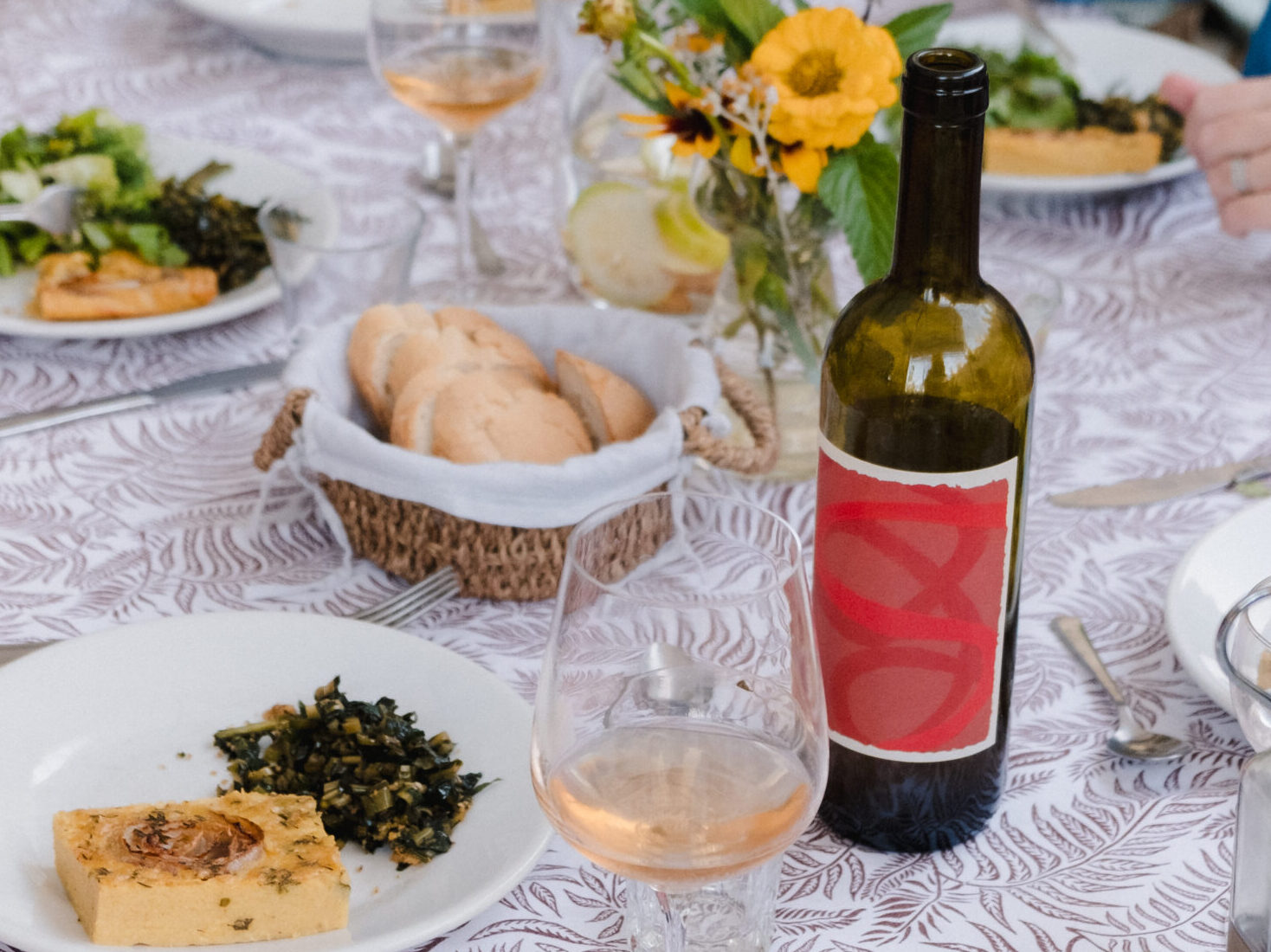
Photo credit: Maine the Way.
Despite the ups and downs of the world around us, this year has been a true celebration for Spannocchia. In marking an incredible 800 years of history, we’ve honored the deep traditions that define us, while embracing the ideas, community, and energy that shape Spannocchia today.
To close out the year, we’re highlighting this idea of Tradition and Innovation: potentially opposing concepts that—at Spannocchia—are quite intertwined. Spannocchia is rooted in tradition, respecting the land, and all the history and culture that the property and region bestows. The cultural and agricultural traditions provide a framework and meaning for everything we do, every day. Innovation builds on these traditions, and keeps us growing, improving, and moving forward. It brings creativity, adaptability, modern resources, and new knowledge to the specific challenges and opportunities that we face now, and as we prepare for the future.
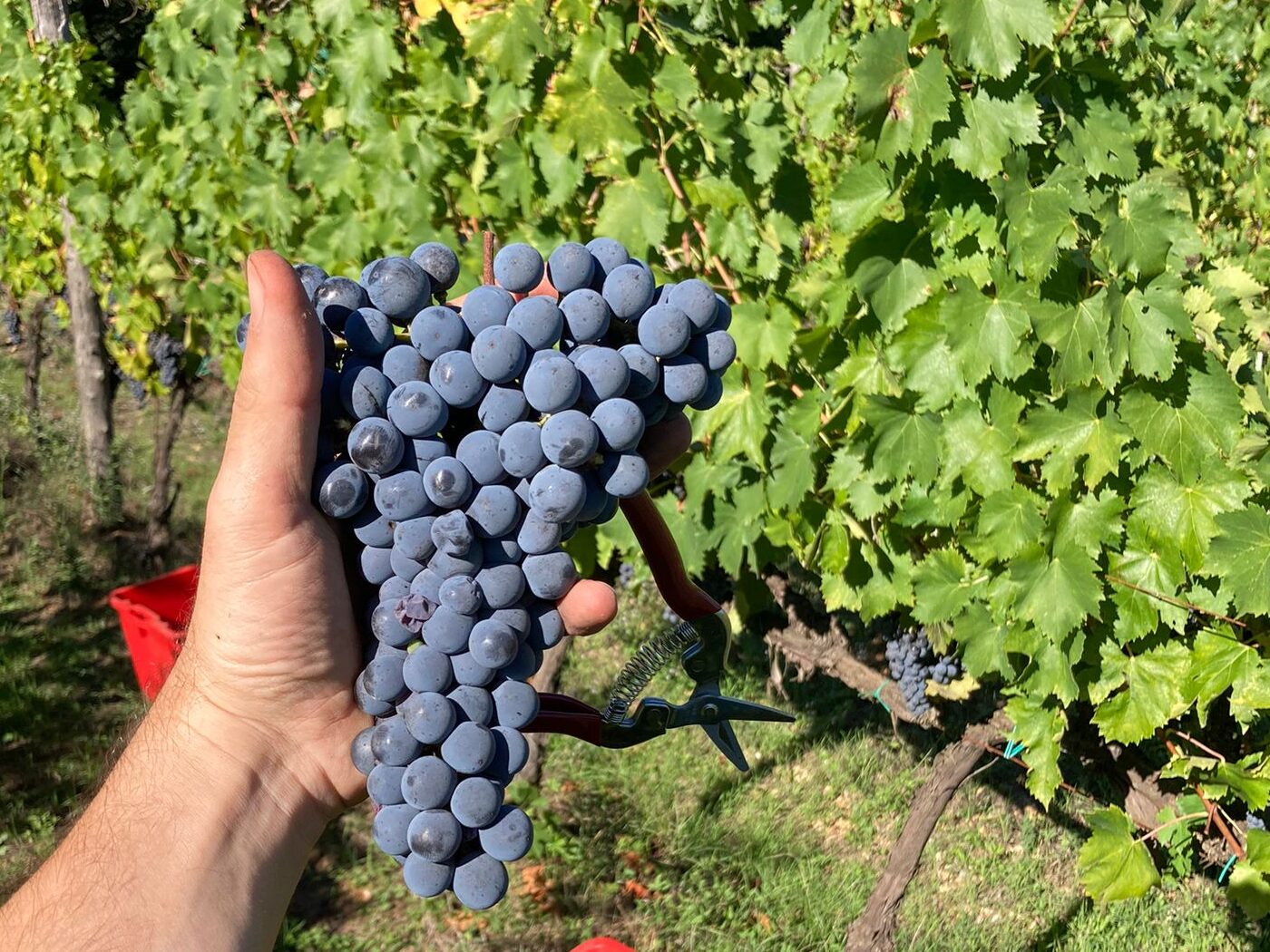
The regenerative agriculture practiced at Spannocchia, taught to our interns, and modeled to our program participants and guests is a true example of how tradition and innovation thrive together. Next spring, we are planting 100 trees in the large Capannone garden, along with shrubs and annuals. The mix of crops and trees will improve soil health and fertility, create diverse animal habitats, reduce pests, and ultimately produce more nutritious food. This agroforestry approach harkens back to systems and landscapes that were utilized throughout Italy centuries ago, now supported by scientific research as an effective strategy for a resilient and healthy ecosystem. Just like soil and saplings in our garden, tradition grounds us and innovation allows us to grow and flourish.
Yago, our vegetable farmer, explains: "The goal is to create productive ecosystems that can support significant diversity of life forms and relationships between them, in the face of the absurd predominance of agricultural deserts and monocultures. Only complex systems can survive on their own, without the contribution of large amounts of external energy. Therefore, once again, we choose the path of soil regeneration, ecosystems, knowledge, and biodiversity."